Understanding the Misinformation Surrounding Interpol Arrests 376668063
Understanding the Misinformation Surrounding Interpol Arrests
The prevalence of misinformation in today’s digital landscape is a pressing concern, especially when it comes to significant topics like international law enforcement and global security. A striking example of this is the false claims regarding the arrest of prominent figures by Interpol, which can quickly spread across social media, leading to confusion and panic among the public. One notable instance involved rumors about Sheikh Hasina, the Prime Minister of Bangladesh, which were thoroughly debunked. For an in-depth analysis of this misinformation, you can check out this fact-checking article: Interpol arrest misinformation rumorscanner.com/fact-check/nterpol-arrested-sheikh-hasina-hindustan-times-false/136710.
What is Interpol and Its Role?
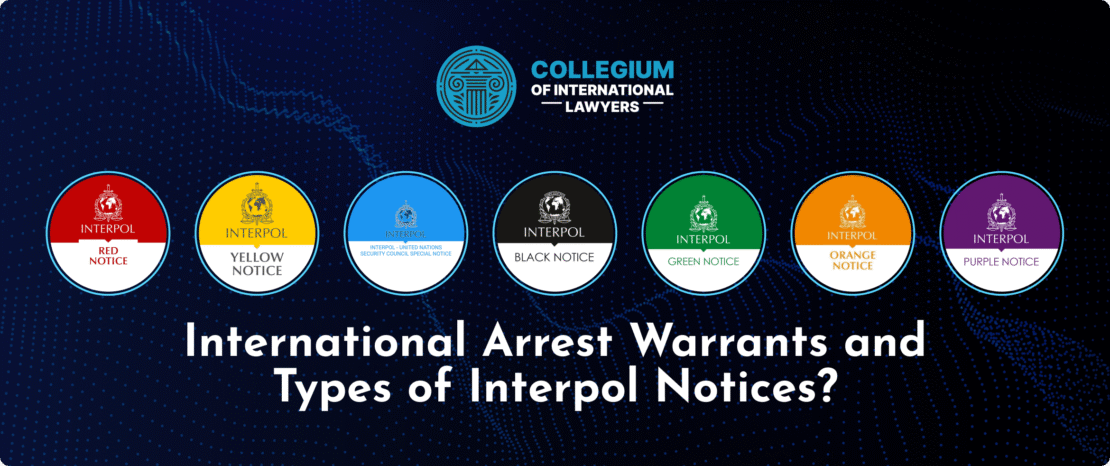
Interpol, or the International Criminal Police Organization, is one of the largest international organizations that facilitates cooperation between police forces across different countries. Established in 1923, its primary mission is to ensure that police across different nations can work together efficiently to combat crime, terrorism, human trafficking, and various transnational threats. One of the vital tools in Interpol’s arsenal is the issuance of Red Notices, which are requests to law enforcement worldwide to locate and provisionally arrest wanted persons, pending extradition.
The Rise of Misinformation You can find it

The increase in misinformation, especially surrounding law enforcement, has become a significant challenge. Social media platforms have accelerated the dissemination of misleading claims. Often, misinformation emerges due to misinterpretations, hoaxes, or politically motivated agendas. In some cases, these unfounded claims have impacted diplomatic relations and personal reputations, making it imperative to promote responsible sharing of information.
Case Study: Sheikh Hasina’s Alleged Arrest
A clear example of this issue surfaced with the false announcement of Sheikh Hasina’s arrest. Such information can cause public unrest, create diplomatic strains, and necessitate dedicated efforts from law enforcement and government officials to correct the narrative. The article referenced above elaborates on how misinformation can quickly gain traction, often being shared before any substantial verification. This exemplifies the urgent need for media literacy and critical thinking among the public.
The Impact of False Information
Misinformation regarding Interpol arrests can have broader implications than merely causing sensational headlines. When false claims circulate, they can lead to:
- Public Panic: Incorrect information about arrests can cause widespread fear and anxiety among citizens, potentially prompting protests, significant political unrest, or even violence.
- Political Fallout: False accusations regarding arrests can strain relationships between countries, disrupting diplomatic efforts and collaborative law enforcement activities.
- Discrediting Legitimate Actions: Misinformation can undermine actual investigations and arrests, leading to distrust in law enforcement agencies and their operations.
- Reputational Damage: Individuals named in false arrest reports may suffer lasting harm to their professional and personal lives, often with no recourse for justice.
Combating Misinformation
Efforts to combat misinformation should involve multiple stakeholders, including governments, media organizations, tech companies, and civil society. Here are some strategies to curtail the spread of false information:
- Education and Media Literacy: Teaching individuals critical thinking skills and how to assess sources can help reduce the spread of misinformation.
- Fact-Checking Initiatives: Organizations dedicated to fact-checking can help debunk false claims swiftly, as seen in the case of Sheikh Hasina’s alleged arrest.
- Collaboration Among Platforms: Social media companies need to implement robust mechanisms to identify and reduce the visibility of misinformation.
- Government Regulations: Legislation that addresses the liability of social media platforms regarding misinformation can encourage more responsible sharing and moderation practices.
The Role of Technology in Misinformation
With the rise of artificial intelligence and algorithms dominating content distribution on social media platforms, technology plays a crucial role in the spread of information. While these technologies can be harnessed for positive outcomes—such as enhancing communication and fostering connections—they can also be exploited to propagate false narratives quickly. Understanding how algorithms favor sensational content is vital for users to navigate social media judiciously.
Conclusion
The misinformation surrounding Interpol arrests, exemplified by the baseless claims about Sheikh Hasina’s arrest, highlights the critical challenge of maintaining accurate narratives in an age dominated by rapid information exchange. It’s imperative to address these issues collectively, fostering an environment where truth prevails over falsehoods. Moving forward, enhancing media literacy, supporting fact-checking initiatives, and implementing effective regulations will be crucial to mitigate the effects of misinformation and uphold the integrity of international law enforcement.